The Old Town of Kotor nowadays lacks bookstores, retail and craft shops as these are not what interests tourists the most. Beside changes in economy, the demographic profile of the Old Town also changes, as young people in this town are left with no choice – they are forced to find job in tourism industry, Dnevne Novine daily writes.
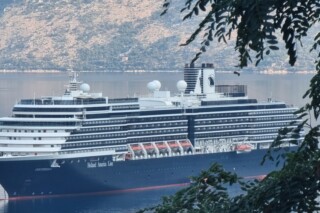
After Kotor was proclaimed one of the top 5 cruising destinations in the Eastern Mediterranean, another issue was raised: to what extend has the cruise tourism changed this city?
Interlocutors in Kotor agree that it’s crucial to have a systematic approach towards this segment of tourism industry, as the situation has been worrying, regardless of the benefits the city gains.
The Port of Kotor has major benefits, whose director, Branko Kovačević, says 412 cruise ships have been booked this year, whereas total revenues amount to EUR 1,024,181.34. “The question is – how to use our potentials in the best possible way, and I hereby mean on the fact last year Kotor welcomed over 500,000 cruise passengers and 250,000 cruise personnel, making a total of 750,000 tourists from cruise ships. We should use this potential, many things should be changed and upgraded, and many issues related to this part of tourism solved,” reckons Kovačević.
Head of Kotor Tourism Organization, Ana Radović, underlines promotion is a key benefit we get from cruise tourism. “The fact is many cruise passengers wouldn’t come to Kotor or to some other cities if there wasn’t for cruise ships. Majority of them wishes to come here again or even comes here next year, so I would say the promotional aspect brings the most significant benefit to us.”
We cannot provide the exact numbers when it comes to their spending in Kotor as not all of them stay in Kotor, but rather have guided tours to Lovćen, Cetinje, Budva and Herceg Novi. According to data of Kotor Tourism Organization, an average expenditures of a cruise passengers ranges from 35 to 40 euro, and they mostly spend on museums, cathedral entries, souvenirs and other kinds of sightseeing.
Commenting on the changes in economy structure of Kotor, which has damaged residents’ day-to-day lives and culture, Radović points out that it’s crucial to carefully plan the future steps.