It is well known that Montenegro is on the top of the list of states against which hybrid war is being waged. Hybrid threats are becoming even worse due to the fact that elections are approaching. What has been happening in Montenegro recently is seen by many as scenario against sovereign Montenegro, a destabilization attempt similar to the one that failed in 2016. In only seven days, Montenegro was target of fake news.
CdM interlocutors claim that Montenegro is capable of countering hybrid threats, fake news and disinformation and of preserving peace and stability.
DPS member, Mr Danijel Živković, says that the state is absolutely able to deal with every form of hybrid threat.
“Institutions’ response to every situation has been efficient and aimed at preventing destructive activities from taking place. Global trends warn that fake news and spreading disinformation have become destructive tool in the hands of those who want to destabilize internal circumstances”, says Mr Živković.
According to him, since parliamentary elections in 2016, Montenegro has been subject to serious hybrid attacks aimed at dividing society and undermining institutions.
“However, we can say that institutions managed to act efficiently and stop destructive behavior, guaranteeing citizens’ peace and safety”, says Mr Živković.
He points out that Montenegro is continuously developing its security system in the context of hybrid threats through the exchange of experience and practices as member of different NATO and EU bodies.
“Primary goal of the Council for Information security and Directorate for the Protection of Computer and Security Incidents on the Internet was cyber defense of public institutions. We’re also member of the European Excellence Center for fight against hybrid threats. By strengthening institutions and thanks to NATO membership, Montenegro has demonstrated resolve to maintain peace and security within the collective security system. I firmly believe that institutions in Montenegro will respond to hybrid threats professionally and efficiently”, concludes Mr Živković.
Bosniak Party spokesperson, Mr Adel Omeragić, agrees that Montenegro has been target of fake news over the last several years.
“I am sure that professional, responsible and equipped institutions are strong enough to handle these challenges. Also, our NATO membership enables us to count on the support from members of the Alliance”, says Mr Omeragić.
Bosniak Party calls on everybody and the media in Montenegro not to contribute to spreading disinformation.
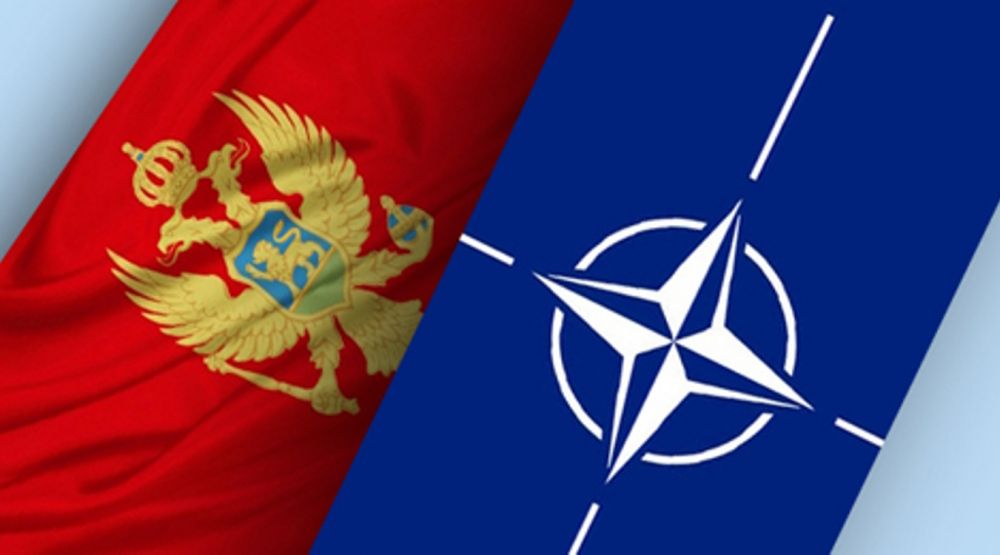
Counter-hybrid NATO team
NATO counter-hybrid team visited Montenegro in November last year.
Elite team consisting of the members of the American state services, worked together with Montenegrin cyber defense on suppressing malicious cyber actors. These defense operations also provide insight into the opposing cyber threats.
Montenegro became NATO member on 5 June 2017.
Russian threat
Russia publicly opposed to Montenegro’s NATO membership. Russian Ministry of Foreign Affairs reacted by releasing statement that “Moscow claims right to respond to the hostile policy of Podgorica”.
Montenegro’s NATO accession was preceded by coup attempt in October 2016.
How to counter fake news

False information date back to the beginnings of human civilization. Manipulating facts with the aim of gaining some advantage is an old skill used by great number of politicians around the world. With the development of Internet fake news started spreading everywhere like an epidemic.
Spreading false information in the media space is a problem that concerns not only governments but also companies around the world, given the fact that they can shape political stage and have an impact on the market trends.
Recent research has shown that around 83% of Europeans agree with the fact that fake news have become serious threat to democracy.
“Fake news considerably contribute to hate speech, fueling nationalism and violent extremism. This is a way to radicalization of young people, and that’s a global problem”, it’s been said recently at the International conference against spreading of fake news, which was held in Trieste.
And while the so called clickbait news are usually harmless and just serve to generate portal visits, fake news used for political purposes have more serious consequences.
Montenegro is usually a distributor, user of fake news. The greatest producer of fake news in the region are Serbian media.
All fake news producers have the a clear objective – spreading some political ideas, messages or alike, to extremize them.
How to counter this phenomenon? There’s no universal remedy. The greatest amount of responsibility is on the media.
Defining what a credible source of information is could be useful. The journalist part of the job has to be done carefully and everything that seems to be disputable has to be checked.
Synergy among the media, the Government and civil sector could produce positive results.