Under sea power cable linking power grids between Montenegro and Italy will be put into operation on Friday, 15 November. This project has great strategic importance for the region because it represents the first inter-connection between Montenegro and Italy and Europe. CEO of the Montenegrin Electricity Transmission System (CGES), Mr Dragan Kujović, talks about the benefits of the project.
“Once the power cable becomes operational, Montenegro will get important revenues and losses in the transmission grid will be reduced. This project will significantly increase technical resistance of the system in case of major disturbances. Finally, profit from transit and lease of transmission capacities will reduce costs of the users of transmission system. As far as citizens and users of the Montenegrin transmission system are concerned, safety and reliability of the transmission grid will be enhanced, providing effective performance of activities and further development. Montenegrin coast and the north will receive much more reliable supply and development of that part of Montenegro will be accelerated”, said in the interview for CdM Mr Kujović.
CdM: Undersea power cable is the most important and the most complex energy project, implemented by CGES, Government of Montenegro and Terna. When it becomes operational, electricity system in Montenegro will become more stable, and supply will be safer. Our country will become an energy hub, connecting Eastern and Western Europe. Construction of CGES infrastructure, that is, Lastva substation and 400 KW of Lastva-Čevo transmission line, creates conditions for putting undersea cable into function. Would you be so kind to give as a retrospective of everything that Montenegrin Electricity Transmission system has done so far? Could you tell us a little more about the benefits of this project?
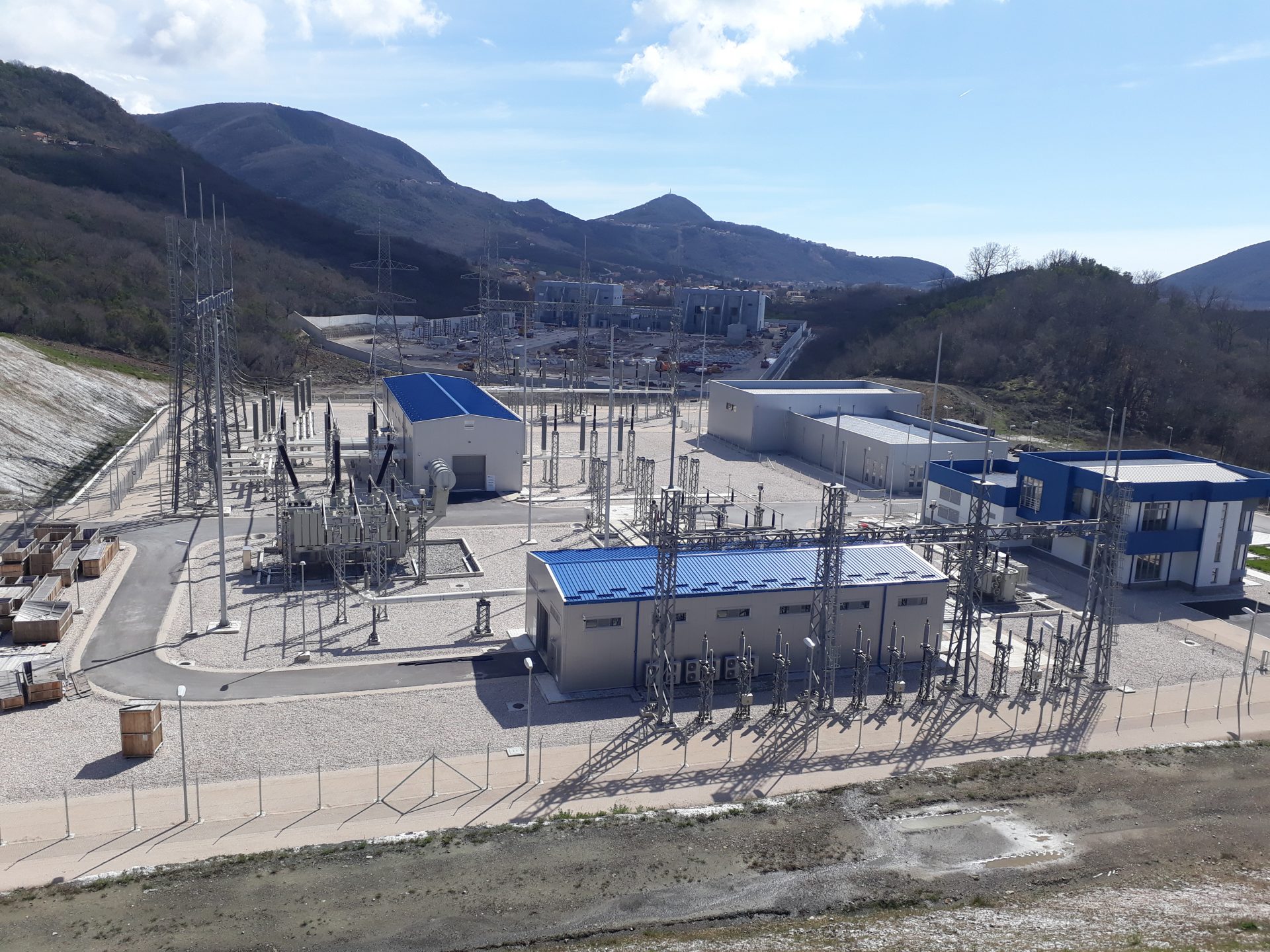
Mr Kujović: With electricity linking with the Apennine peninsula electricity system in Montenegro will become more stable, and electricity supply will be safer. This project can be regarded as general good, not only for Montenegro but wider. The project is divided into three parties: construction of substation Lastva 400/110/35kW, construction of 400kW of Lastva-Čevo transmission line and construction of 400Kv Ćevo-Pljevlja transmission line. This complex project also encompasses construction of 400kW of transmission lines towards Serbia and Bosnia and Herzegovina.
In November last year, CGES put substation Lastva 400/110/35 kW into function, and at the beginning of April transmission lines Lastva-Trebinje and Lastva-Podgorica became operational. In cooperation with the state, CGES fulfilled all the requirements. This means that since December 2018, we have provided possibilities for testing undersea cable and accompanying infrastructure construction of which is in Terna’s charge. Works on the part of project from Čevo to Pljevlja are under way.
We expect multiple benefits from the construction of Lstva substation, transmission line from Lastva across Čevo, all the way to Pljevlja and further to Bajina Bašta. Both our company and other energy subjects and users of the transmission system will feel the benefits. With this connection, Montenegro’s electricity system will become more stable and electricity supply will be safer.
I’d like to point out that linking Lastva substation with the 400kV Lastva-Čevo transmission line changes the energy flow through transmission grid. On 2 April 2019, supply of the consumers in Tivat and Budva became part of 400kW grid, which had an impact on the supply of seaside region – it’s become safer. Losses in the transmission grid reduced, another important benefit of the project.
CdM: What is the status of the part of the project referring to the construction of Čevo-Pljevlja transmission line? What will be its effects?
Mr Kujović: Implementation of Lot 3 (the last party of the project), construction of transmission line from Čevo to Pljevlja, has gone far. Around 80% of works have been completed so fa. Hopefully, by the end of 2021, this part of the project will be finished. During 2020, we will enable connection of transmission line from Čevo to Žabljak (85,7 km). That will create conditions for linking Žabljak substation and Brezna substation, finally providing Žabljak with two-way supply system.
CdM: Is Montenegrin Transmission system ready for the commercial use of the power cable?
Mr Kujović: As I have already said, CGES has already fulfilled requirements stipulated in the agreement and is ready for the beginning of commercial use of the cable. It is important to emphasize that, in parallel with field works, competent sectors within CGES and Terna have harmonized a great number of agreements which are mandatory, in accordance with the Project Coordination Agreement (PCA) and valid European transmission regulations. Notification process and Operational Agreement have been signed and ratified. Congestion Management Agreement is to be signed in the forthcoming days. SEECAO will be the auction house for the allocation of cross-border capacities of the undersea inter-connection.
CdM: What is the value of the investment?
Mr Kujović: Total value of this investment, which encompasses construction of a substation 400/110/35kW (Lot 1), construction of 400kW Lastva-Čevo transmission line (Lot 2) and construction of 400kV Ćevo-Pljevlja transmission line, amounts to €106 million. If we take into account construction of a transmission line from Pljevlja to the border with Serbia and Bosnia and Herzegovina and investment in internal grid, it will amount to €127 million. In order to get the real picture of the project, I must tell you that this €127 million accounts for more than 50% of the CGES’s current value. That’s how complex and important this project is.
CdM: And to conclude, what does this project mean for CGES and Montenegro?
Mr Kujović: Montenegro will generate considerable revenues on the ground of 20% of CGES share in the cable’s full capacity. In addition, we will reduce losses in the transmission grid and provide two-way supply of Brezna and Žabljak substations. This project will significantly increase technical resistance of the system in case of major disturbances.Finally, profit from transit and lease of transmission capacities will reduce costs of the user of transmission system.
As far as citizens and users of the Montenegrin transmission system are concerned, safety and reliability of the transmission grid will be enhanced, providing effective performance of activities and further development. Montenegrin coast and the north will receive much more reliable supply and development of that part of Montenegro will be accelerated. Another benefit is that Montenegro will be directly connected with the EU electricity market. This will also be a good chance for the exploitation of Montenegro’s energy potentials.