Russians living in Montenegro or those visiting it as tourists, have responded vehemently to the anti-Montenegrin campaign that Russian media have been waging recently. The goal of the campaign is to reduce the number of Russian tourists coming to Montenegro, Dnevne Novine writes.
In a Russian TV story, Montenegro is depicted as a country not safe for Russian citizens as it is “ruled by crime, full of mine fields and infectious diseases”. However, response has come in no time.
A new Facebook page has been established which Russian nationals use to dispel the lies that the Russian media have been spreading about Montenegro.
Political analyst and editor of the Russian Kommersant, Gennady Sysoev, says that negative information about Montenegro, which recently appeared in the Russian state media, were a part of a campaign aimed at making Russian tourists not visit Montenegro.
“There are the same theses in these materials. The initiator’s logic is also obvious: is we failed to prevent Montenegro from joining NATO, or at least to discredit it, then let us reduce the number of Russians visiting the country. However, not only that this campaign has missed its goal, but it has also had an opposite effect,” says Sysoev.
He said that Russians themselves responded to the campaign of lies.
“Hashtag #biosamucrnojgori (#ivebeeninmontenegro) has immediately become viral and there are thousands of photographs with positive impressions of Montenegro and its people on it. In the same time people share photo of a Russia TV host, the show of whom broadcasted fictitious information about Montenegro, with the capture ‘It’s great in Montenegro, but I’ve been paid to spread lies’,” says Sysoev.
Thus, as he said, the negative campaign has turned into a promotion of the destination.
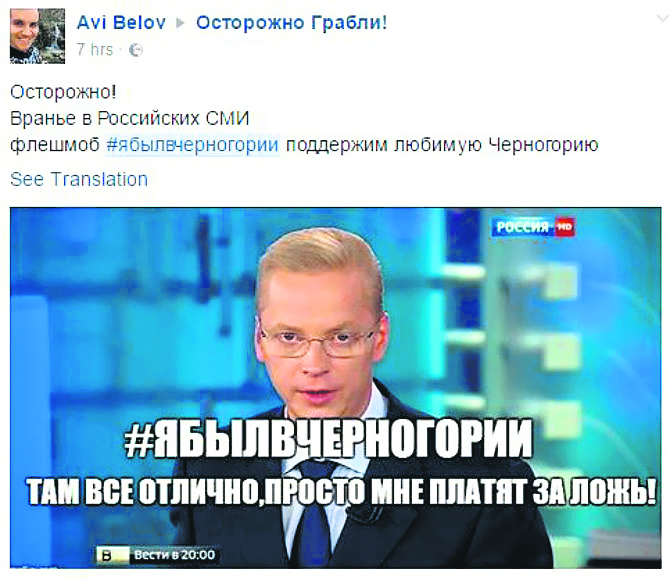
“There will be probably more imaginary information about Montenegro, but it will not affect the number of Russian tourists coming to the country,” he said.
According to the Russian Tourism Organisation, the number of bookings for Montenegro is already at least 50% higher than last year, when the record-breaking 300,000 Russian tourists visited our country. At the recent tourism and travel exhibition in Moscow it has been announced that the number of flights from Russia to Montenegro will be 30% higher this year, which means that there will be up to 18 flights from Russia a day. The figures speak for themselves, the source said.
Antena M has carried a number of Facebook comments posted by Russians who are familiar with Montenegro.
“I join all those who respond to the news on Montenegro broadcasted by Russian TV. That’s where my son lives. I have been there and I will be in Montenegro every year,” Alla wrote.
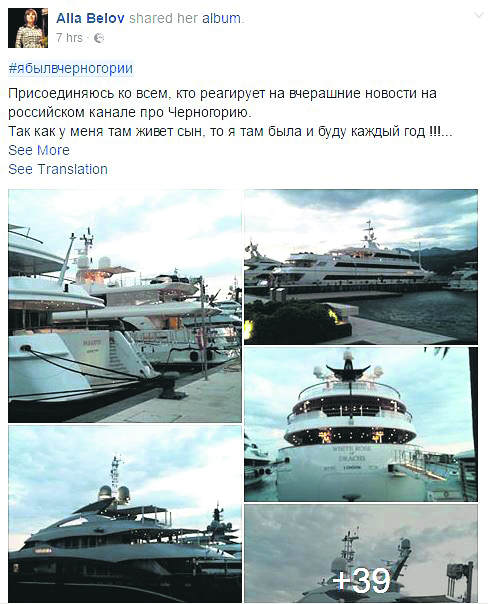
I’ve lived in Montenegro for 12 years and I do not regret it,” Irina wrote.

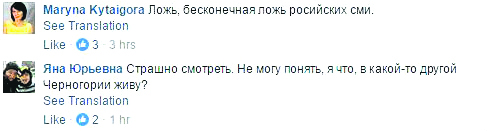
Perhaps, Marina presented the situation the best: “Lie, endless lie of Russian television” she wrote and got a comment: “This is horrible to watch. I cannot figure out if I maybe live in another Montenegro then,” said Jana.
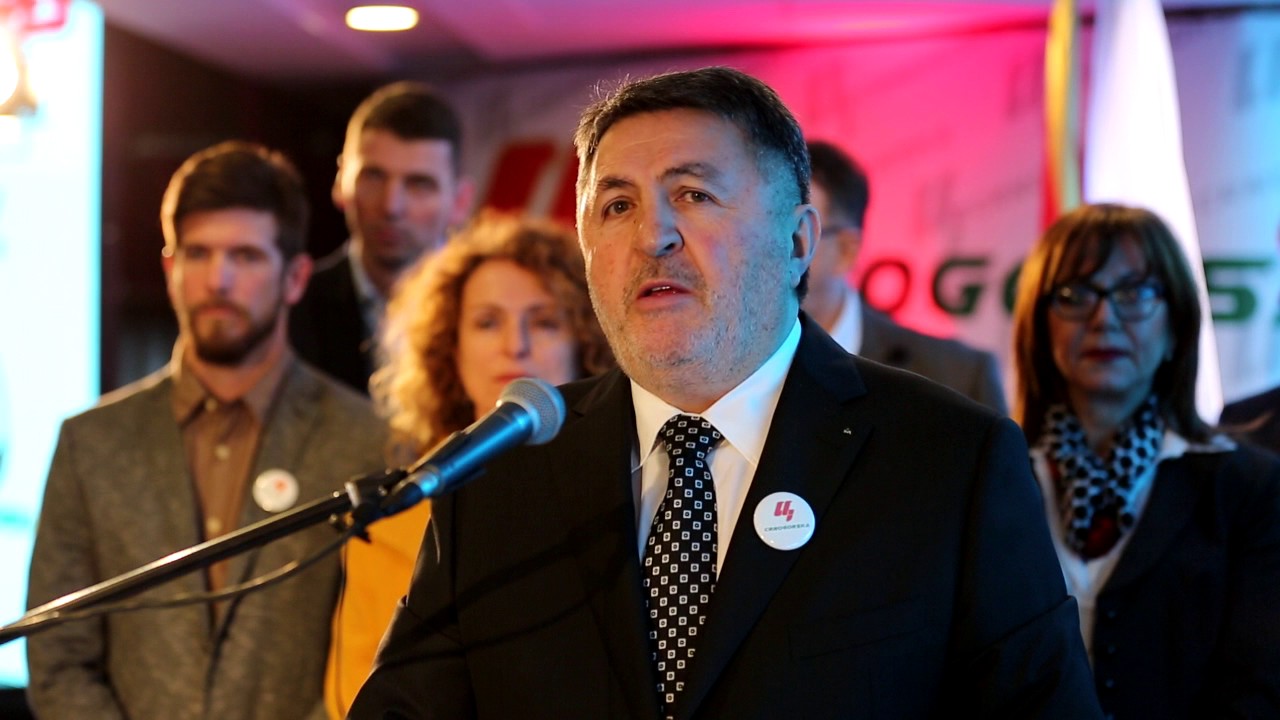
President of the Chamber of Commerce’s Tourism Committee Dragan Purko Ivancevic told PinkM TV that we should not worry about Russian media campaign against Montenegrin tourism. He added that the same thing happened when Montenegro was to restore its independence. Ivancevic also said that currently there are 20% more bookings from the Russian market.
The lies on Montenegro broadcasted in Russia are unprecedented.
In Montenegro – One Step from NATO TV report broadcasted on Tuesday, on the eve of the US Senate’s ratification of the NATO accession protocol, state TV channel Russia said that “opponents of accession to NATO were fiercely suppressed” in Montenegro these days and that it “already affected the investment climate”.
“Russian business is leaving the country, tourism is regressing and crime is replacing it very quickly. We’re losing Montenegro,” TV Russia said.
It is difficult to estimate the number of Russian citizens living in Montenegro. Some estimates suggest that there are over 20,000 of them in our country, most of whom live in Budva.
At one point in public schools in Budva there were over 50 students from Russia. According to their own words, Russians feel at home in Montenegro.