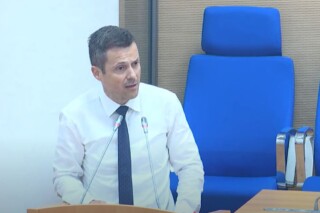
At this moment, the Podgorica High Court must direct all of its capacities at making an accurate cross-section of the situation in its storage rooms as soon as possible and determine which evidence was stolen. Evidence theft may threaten the work of the prosecution, rather than courts, precisely because it’s up to the prosecution to provide arguments supported by evidence and thus convince the court that someone is really guilty of committing a certain crime, the associate at the CGO programs, Damir Suljevic, tells the CdM portal. He points out that Montenegro hasn’t made progress in Chapters 23 and 24 for years, and that we should expect robbing of the storage rooms to be noted in the EC annual report, which only strengthens Montenegro’s poor position in the EU accession process.
Having in mind that we still don’t know what trial evidence they took and whether it’s contaminated, it’s to be expected that the defence of defendants would require new assessments.
Asked whether this can block the work of High Court, Mr Suljevic reminds that the investigation is under way and it’s why we can’t expect to know what exactly was taken from the court’s storage rooms.
According to him, both lawyers and court are to determine whether the defence is going to require new assessments for every specific case.